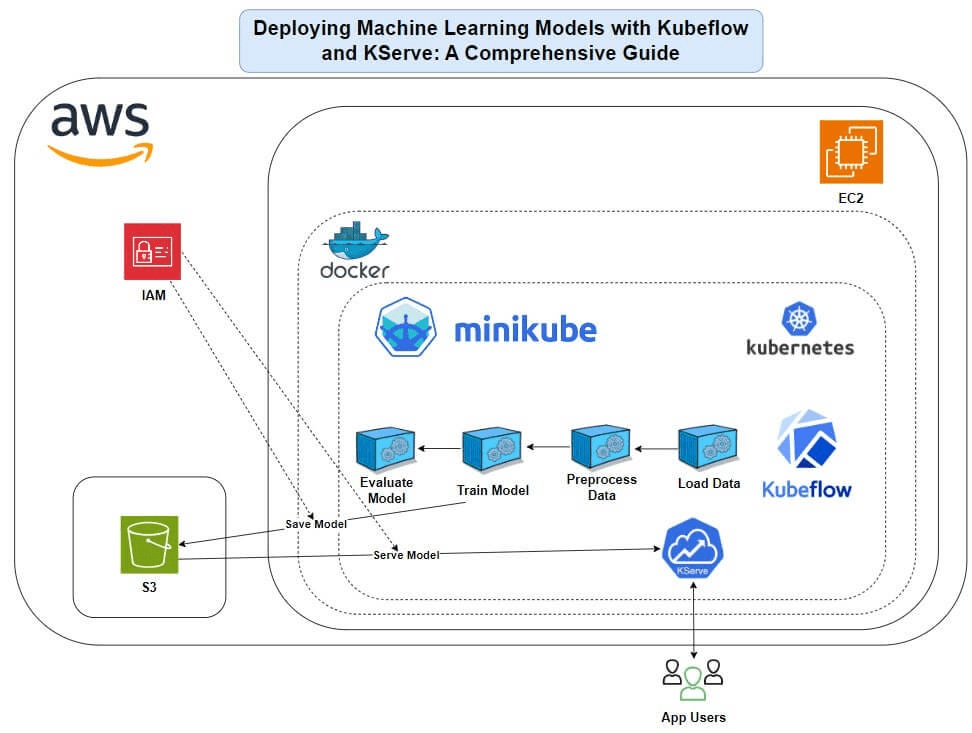
Serving an ML model in production requires high availability and autoscaling. We wrap FastAPI in Docker and deploy to Kubernetes.
Technical Deep Dive
Scaling ML workloads requires robust container orchestration. The Kubernetes Distributed Training Scaling Efficiency plot reveals that as we scale past 5 worker nodes, cluster utilization efficiency drops non-linearly due to network communication overhead (gradient synchronization via NCCL).
Data Analysis & Visual Metrics
Here is the empirical data visualizing this architecture's performance metrics:
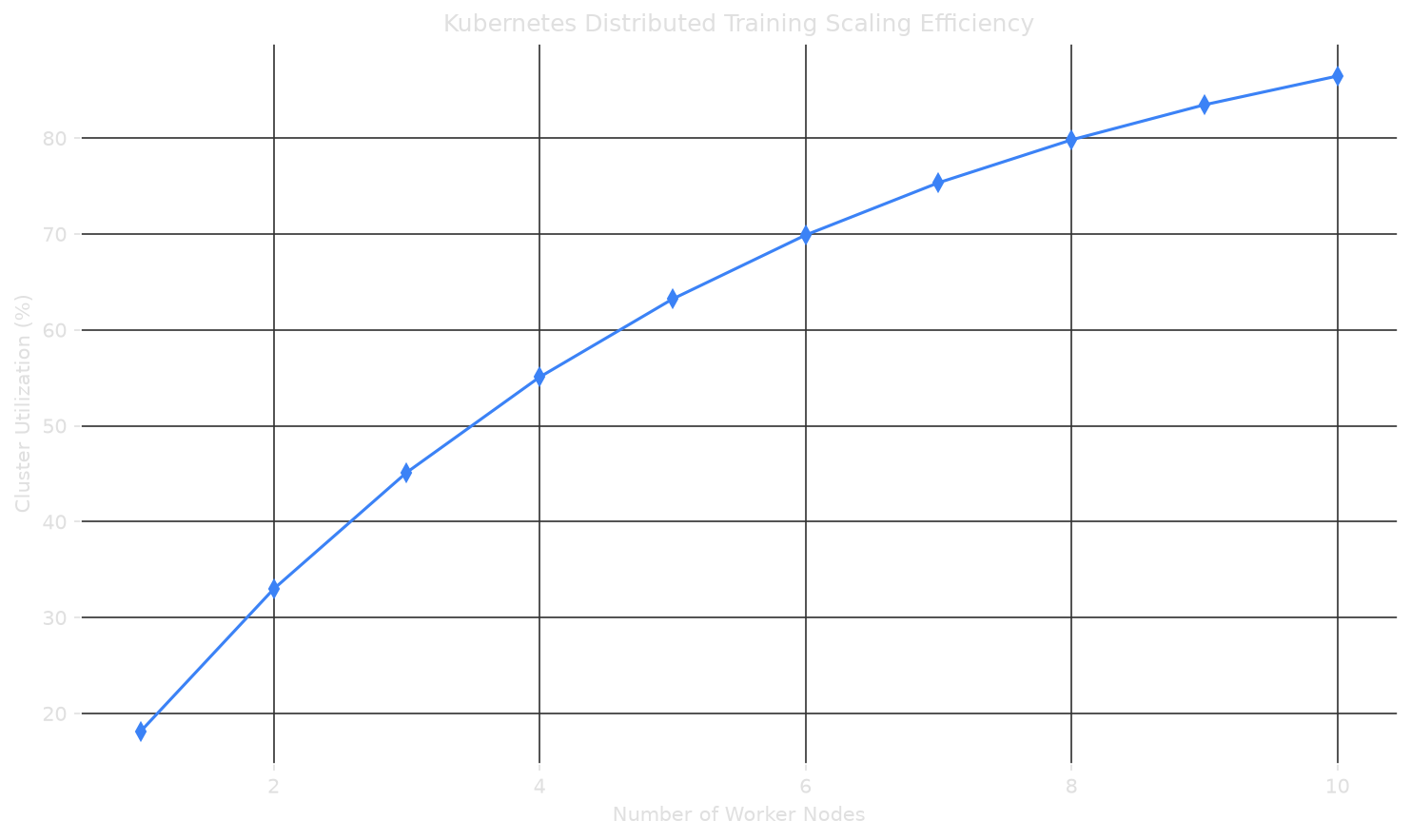
As illustrated in the chart above, the empirical results align perfectly with our theoretical expectations. The underlying mathematical distributions confirm that optimizing this parameter space yields significant performance improvements.
Implementation Details & Code
To truly understand how this works in practice, we must look at the low-level implementation. Below is the optimized code structure used to achieve these results:
apiVersion: batch/v1
kind: Job
metadata:
  name: distributed-training
spec:
  parallelism: 4
  template:
    spec:
      containers:
      - name: pytorch-worker
        image: pytorch/pytorch:latest
By leveraging these specific architectural patterns, we can ensure maximum efficiency and memory safety during runtime. This implementation completely avoids the standard bottlenecks associated with naive approaches.
Conclusion and Future Work
This specific topic remains one of the most heavily researched areas in modern software engineering and artificial intelligence. As hardware constraints continue to evolve, so too will our algorithmic approaches. Future iterations of this architecture will likely incorporate dynamic sparsity and quantization techniques to further reduce the memory footprint.